Comparing Dunn Loring Home Styles: Townhome vs Single-Family
April 2, 2026
April 2, 2026
If you are deciding between a townhome and a single-family home in Dunn Loring, you are not alone. In a compact, high-value market where the median owner-occupied home value is $951,400 and owner occupancy is 92.7%, the right fit often comes down to how you want to live day to day. This guide will help you compare privacy, outdoor space, maintenance, fees, and resale considerations so you can choose with more confidence. Let’s dive in.
Dunn Loring offers a mix of housing rather than one dominant option. Fairfax County planning documents for the Vienna/Merrifield area show both low-density detached residential areas and townhouse areas, which helps explain why buyers often compare these two styles closely here.
In practical terms, single-family homes and townhomes can both work well in Dunn Loring. The better choice depends on whether you value more autonomy and outdoor space, or a smaller footprint with more shared governance and potentially less exterior upkeep.
The Census Bureau defines a single-family detached home as a one-unit structure with open space on all four sides. That is the classic detached house most buyers picture when they think of a single-family home.
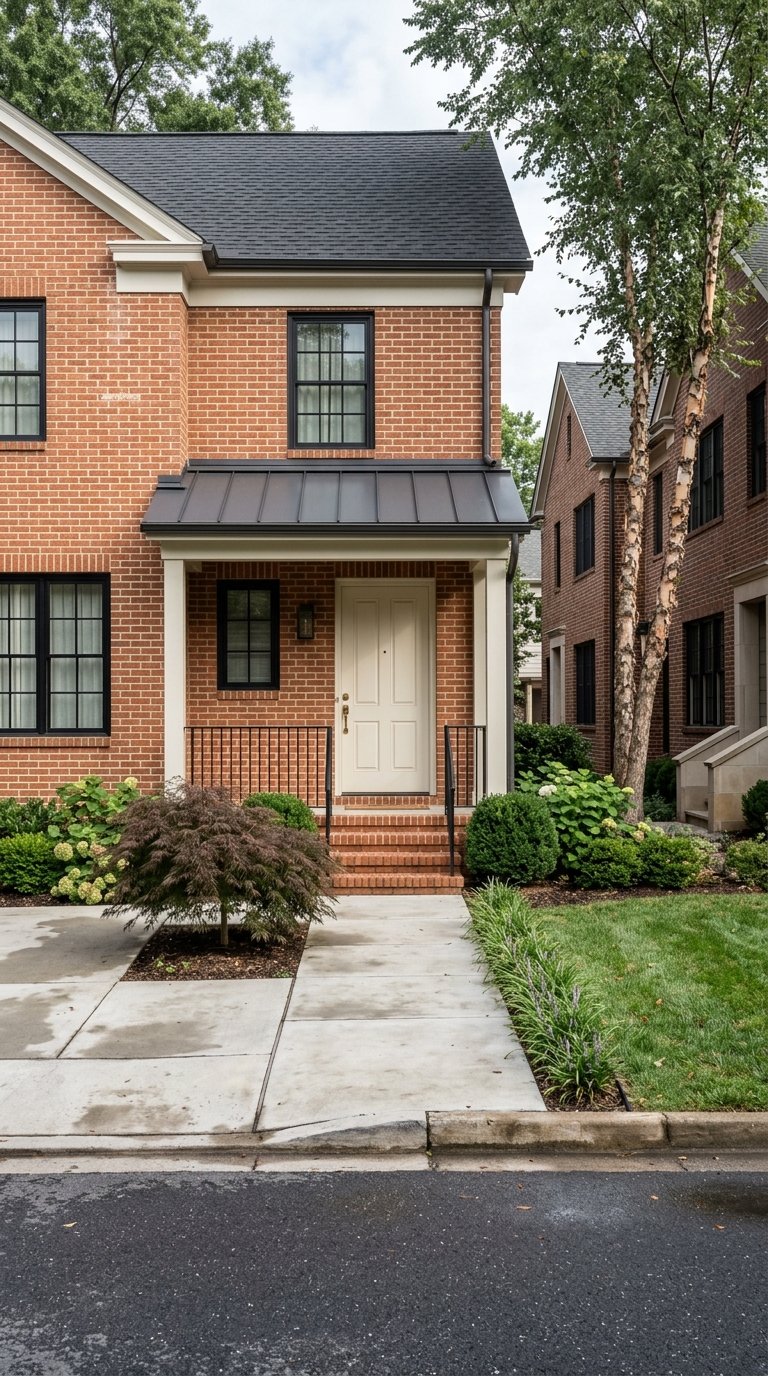
The same Census definitions describe row houses and townhouses as attached units separated by a wall that runs from ground to roof. In Dunn Loring, that means your townhome may share one or more walls with neighboring homes, while a detached home stands on its own lot.
Detached homes usually offer more private outdoor space and more control over the lot. Fairfax County’s land use guidance for parts of the area includes detached residential recommendations at 1 to 2, 2 to 3, or 3 to 4 dwelling units per acre, which is a useful local proxy for a lower-density setting.
That lower density often translates into a different daily experience. You may have more separation from neighbors, more yard area to use, and more flexibility for landscaping or exterior changes, subject to any community rules that may still apply.
The tradeoff is responsibility. As summarized by the Virginia Common Interest Community Ombudsman, associations collect mandatory assessments for shared property, while condominium structures assign common-element maintenance to the association and unit maintenance to the owner. For many detached homes, especially those without a strong shared-property structure, more of the exterior upkeep falls on you.
That can include routine repairs, landscaping, drainage issues, and long-term replacement planning for major systems. Before you buy, it is smart to confirm whether a specific detached property is inside an HOA or another common-interest community, because the answer can change what you are responsible for.
Detached homes often appeal to buyers who want privacy, yard space, and room to customize. In an owner-heavy market like Dunn Loring, those features can support strong buyer interest.
At the same time, condition matters. Because more of the property is under the owner’s direct care, deferred maintenance can be more visible and can affect resale appeal and pricing.
Townhomes are a natural fit in parts of Dunn Loring. Fairfax County planning documents identify townhouse areas at 5 to 8 or 8 to 12 dwelling units per acre, and the Merrifield/Dunn Loring station area has long been planned with residential use as a major component in some redevelopment options.
For many buyers, that means a more compact home style that can align with a lower-maintenance lifestyle. You may have less private land to manage, and depending on the ownership structure, some exterior or shared-area responsibilities may be handled through the association.
This is where townhome shopping gets more detailed. A townhome in Virginia may be organized as a condominium, a property owners’ association, or another common-interest arrangement, and each setup can have different governing documents, fees, and maintenance obligations.
Under Virginia condominium law, the unit owners’ association handles maintenance, repair, renovation, restoration, and replacement of the common elements. The owner generally handles the unit itself unless the issue starts in the common elements.
For property owners’ associations, Virginia law allows assessments for maintaining common areas and facilities, with lot owners sharing pro rata responsibility for those common facilities. That is why two townhomes that look similar can have very different monthly costs and owner obligations.
The ACS housing definitions note that monthly condominium fees commonly cover operating, maintenance, administrative, and improvement costs for shared property such as grounds, halls, parking areas, and amenities. In broader common-interest communities, boards may also enforce rules and collect mandatory assessments to maintain shared property.
That can be a plus if you want less direct responsibility for certain tasks. It can also be a tradeoff if you prefer fewer rules, lower fixed monthly costs, or more freedom over exterior decisions.
If privacy and outdoor space are at the top of your list, a detached home often has the edge. The county’s lower-density detached designations help explain why many of these homes feel more spread out than attached options.
You are also more likely to have open space on all four sides, which is built into the Census definition of detached housing. For buyers who want room for outdoor living, gardening, or simply a greater sense of separation, that can be a major deciding factor.
Townhomes usually come with a smaller lot footprint and shared walls. That setup may mean less private yard space, but it can also mean less exterior area to maintain.
If your priority is a more compact layout near services or transit-oriented areas, that tradeoff may make sense. The key is to decide whether you want more land to manage or less land to worry about.
One of the biggest mistakes buyers make is assuming all homes in a category work the same way. In Dunn Loring, it is important to verify the ownership and association structure before you make assumptions about costs or upkeep.
Ask these questions early:
These details shape both affordability and your day-to-day experience. They also matter during resale, because future buyers will ask the same questions.
Your monthly budget should include more than principal, interest, taxes, and insurance. With townhomes, association dues may cover part of the upkeep you would otherwise handle yourself.
With detached homes, you may have fewer recurring association costs, or none at all in some cases, but you should plan for maintenance and long-term capital expenses more directly. A lower monthly fee does not always mean a lower overall cost of ownership.
In Dunn Loring’s high-value, owner-occupied market, both home styles can attract serious buyers. What matters most is how well the property aligns with buyer priorities and how clearly the ownership costs and responsibilities are understood.
Detached homes often stand out for privacy, lot control, and customization potential. Townhomes often appeal to buyers looking for a smaller footprint, shared maintenance of common areas, and access to more compact residential settings.
From a resale standpoint, the cleanest path is usually transparency. Clear association documents, well-managed maintenance, and realistic budgeting help a home feel easier for the next buyer to understand and value.
If you are weighing Dunn Loring townhomes versus single-family homes, focus on your real daily priorities rather than the label alone. Ask yourself which tradeoffs you will still feel good about a year from now.
A detached home may be the better fit if you want:
A townhome may be the better fit if you want:
The right answer is usually not about which style is better. It is about which style matches your budget, maintenance tolerance, and long-term plans.
In a market like Dunn Loring, the fine print matters. Two homes with similar square footage can create very different ownership experiences depending on the association structure, maintenance split, and recurring costs.
That is why careful document review and clear due diligence are so important. When you work with an advisor who can help you compare obligations, fees, and resale implications in plain English, you are more likely to make a confident decision and avoid surprises later.
If you are comparing townhomes and single-family homes in Dunn Loring, Paula Heard can help you evaluate the tradeoffs, review the details that matter, and move forward with clarity.
Stay up to date on the latest real estate trends.
I don’t just sell homes—I negotiate outcomes that benefit you. My background in corporate law gives me the edge to secure better terms and guide you through the process with total clarity and care.