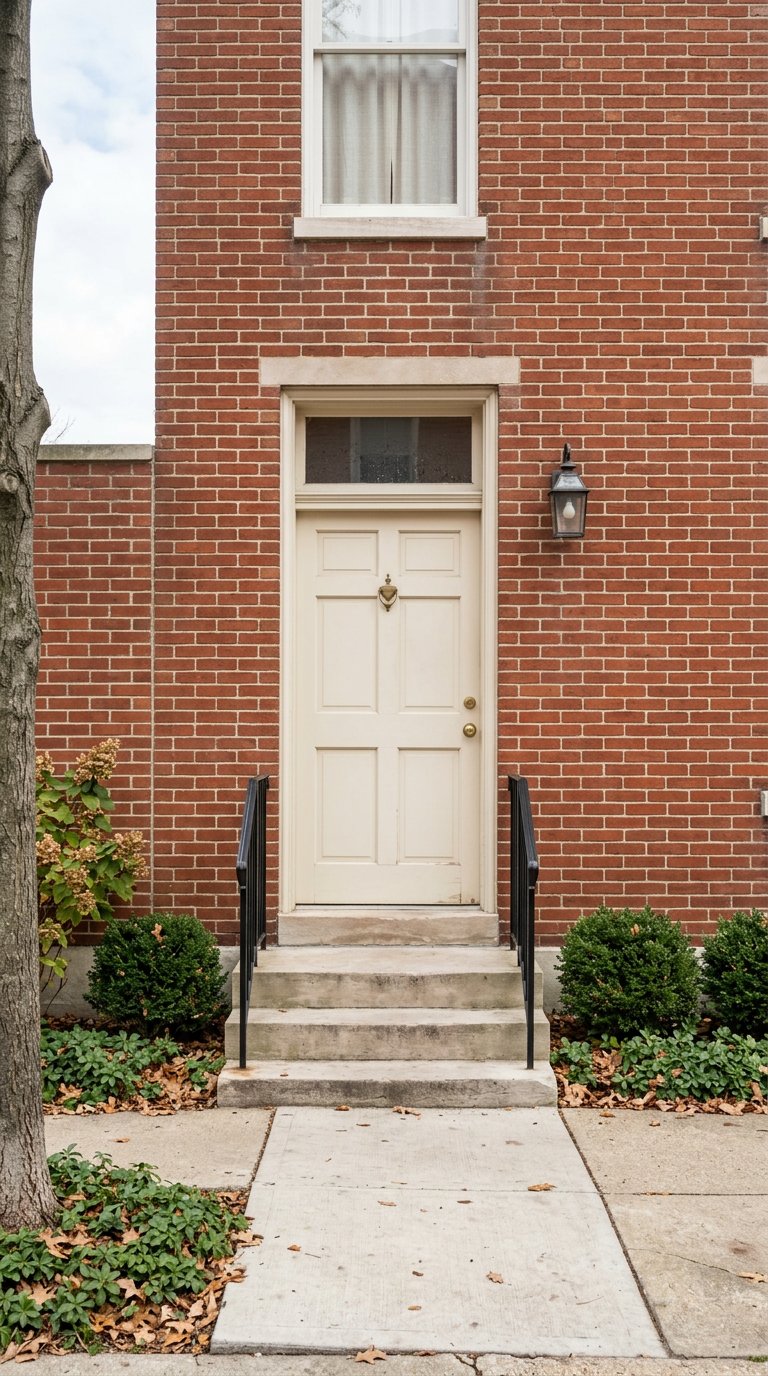
Relocating to Alexandria VA from DC or Arlington
March 5, 2026
March 5, 2026
Thinking about trading your DC or Arlington address for Alexandria? You’re not alone. Many buyers want a bit more space, a strong commute, and a lively, walkable scene. The right choice depends on how you commute, the housing types you prefer, and what ongoing costs look like. This guide shows you how to compare the options with real numbers, transit context, and a practical checklist you can use right away. Let’s dive in.
You will find different price figures depending on the data source and timeframe. Recent vendor snapshots showed Alexandria’s median sale price around $485K, a typical home value estimate near $657K, and a median for‑sale price near $575K. Arlington and DC often post higher medians on many measures. These spreads reflect whether the number is a median sale price, median list price, or a valuation index. Use them as ranges, not a single “right” price.
Commute times are a helpful baseline. According to U.S. Census QuickFacts, the mean travel time to work is about 29.3 minutes in Alexandria, 26.6 minutes in Arlington, and 30.3 minutes in DC. Treat those as averages across all modes and neighborhoods, then test your exact address-to-address trip for accuracy. You can view local baseline stats on Census QuickFacts.
On affordability pressure, the MIT Living Wage model indicates a one‑adult baseline that typically ranks Arlington higher than Alexandria and DC. It is a useful way to think about local costs, not a salary rule. Explore the local context on the MIT Living Wage calculator for Alexandria.
Alexandria sits on the Blue and Yellow lines with key stops at King St–Old Town and Braddock Road. King St–Old Town links directly to the Alexandria Amtrak/VRE station and DASH buses, which helps with last‑mile flexibility. Station details and schedules are available on the WMATA King St–Old Town page.
You also have the Potomac Yard station in the Route 1 corridor, with city guidance on access and multimodal options at Alexandria’s Potomac Yard station page.
Arlington’s Rosslyn–Ballston and National Landing corridors feature dense, direct Metro access that often means fast trips to downtown DC. The county is also improving key entries to reduce crowding and improve transfers, including an east entrance project at Crystal City Station.
If you commute along the VRE corridor or take intercity rail, Alexandria’s Amtrak/VRE station at 110 Callahan Drive is a major perk. It is walkable from King St–Old Town Metro for a smooth transfer. Find station and route details on the Virginia Passenger Rail Authority’s Alexandria page.
If your daily stop is downtown DC, Arlington’s Orange/Silver/Blue corridors can offer very short Metro rides. Alexandria’s King St and Braddock Road provide direct Blue/Yellow service that is competitive for many destinations but may involve a slightly longer in‑train segment. Always model your trips at your actual commute time using WMATA’s tools on the King St–Old Town station page.
Along Rosslyn, Courthouse, Clarendon, and Ballston, you’ll see mid‑ to high‑rise condos and apartments near Metro, with single‑family streets a bit farther out. Pricing and supply can feel different than Alexandria because of the condo share and corridor demand.
DC offers everything from rowhouses and townhomes to large condo buildings. Prices and inventory vary block by block. If you are comparing across city lines, focus on a few specific neighborhoods that match your lifestyle and test the commute from the exact address.
Month‑to‑month numbers can jump because the mix of sold homes changes. A condo‑heavy month may push median sale prices lower, while a listing‑heavy snapshot can skew higher. Keep the methodology in mind when you scan data.
Regionally, reports in 2024 and 2025 called out tight inventory and resilient demand in close‑in suburbs, which explains why you still see competition for well‑located homes. For a recent regional perspective on shifts ahead, read this Washington Post market summary.
From a monthly cost view, owner occupancy rates and median gross rent are good cross‑checks when you compare Alexandria, Arlington, and DC. These consistent measures come from the American Community Survey and QuickFacts. See the local snapshot for Alexandria on Census QuickFacts.
If schools are part of your decision, confirm the exact school assignment for each address. Alexandria City Public Schools recently updated boundaries, so verify the latest details on the ACPS redistricting update page. Arlington Public Schools provides boundary and option program tools, and DC families can review school options through city resources. Always check by address, and consider your full morning and afternoon routine.
Use this simple framework for apples‑to‑apples comparisons across Alexandria, Arlington, and DC.
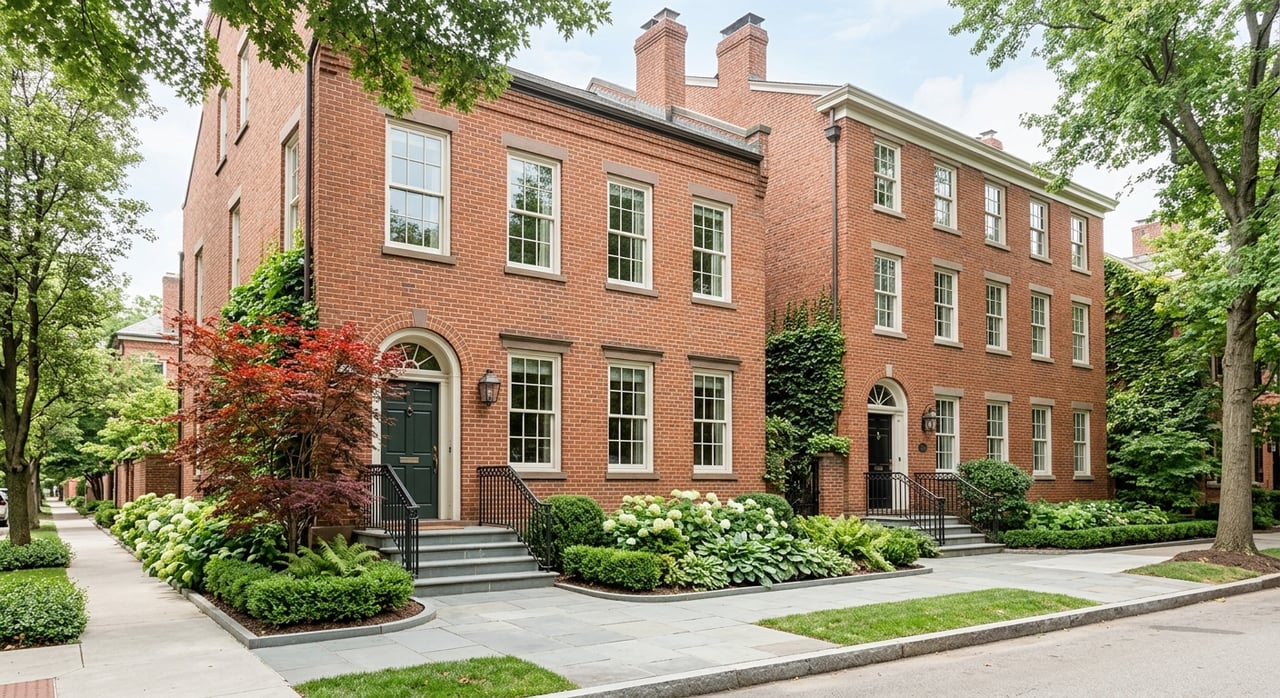
Choose Alexandria if you value a mix of historic streets, modern development, and multiple transit choices, and you want more space for the budget compared with many DC or Arlington cores. Staying in DC or Arlington can make sense if your job is a few stops from a corridor station and you prize the shortest possible trip. Many buyers land on Alexandria for its blend of townhomes, condos, and single‑family options along with strong rail and VRE access.
If you want a clear plan and negotiation strength on your side, let’s talk. As an attorney‑led advisor with deep cross‑jurisdiction experience, Paula Heard will help you compare addresses, pressure‑test commutes, and protect your bottom line from offer to closing. Schedule a Free Consultation.
Stay up to date on the latest real estate trends.





I don’t just sell homes—I negotiate outcomes that benefit you. My background in corporate law gives me the edge to secure better terms and guide you through the process with total clarity and care.