Choosing Between a Condo and Townhome in Alexandria
December 18, 2025
December 18, 2025
Thinking about a condo or a townhome in Alexandria but not sure which fits your life best? You are not alone. Many buyers weigh convenience, space, and long-term costs before they choose. In this guide, you will learn how ownership works, what fees really cover, how financing and resale differ, and which neighborhoods tend to favor each option. You will also get a practical checklist you can use on any property so you can move forward with confidence. Let’s dive in.
Condominiums give you ownership of the inside of your unit plus a shared interest in the building’s common areas. You are part of a condominium association that handles building systems, common spaces, and rules. Monthly assessments are common because the association maintains elevators, roofs, lobbies, and amenities.
Townhomes come in two legal flavors. A fee-simple townhome means you own the structure and the land beneath it. In many cases, you handle exterior and yard maintenance. Some townhomes sit within a homeowners association. In those communities, you still hold fee-simple title, but the HOA may maintain exteriors, landscaping, and shared amenities. The takeaway: responsibilities are set by the community’s recorded documents, not just the property type.
In Virginia, state laws govern condominiums and property owners associations. These statutes set rules for disclosures, reserves, and board operations. In Alexandria, zoning, building codes, and historic preservation guidelines also apply. If you plan exterior changes, especially in Old Town and other regulated areas, expect a formal review process.
Condo assessments often run higher than small townhome HOA dues because condos maintain more building-wide systems like elevators and parking garages. That said, some larger townhome communities with pools, parks, or on-site services can have similar or higher fees. Fees vary by age of the building, size, amenity level, and whether utilities are included.
Look closely at the fee line items. Common inclusions are exterior maintenance, roof and building systems, common utilities, landscaping, trash, snow removal, insurance for common elements, reserves for future repairs, and amenities. If the fee looks high, check what it replaces. A higher fee that includes most utilities and exterior coverage can still lower your total monthly outlay.
Healthy reserves help keep special assessments in check. When you review a resale package, study the latest reserve study and current reserve balance. Older buildings or historic conversions may face larger capital projects over time, such as façade work, roof replacements, or mechanical upgrades. Check board meeting minutes for signs of recurring repairs, litigation, or assessment talks.
In many condos, some utilities are included in the monthly assessment, which can stabilize your budget. In townhomes, utilities are typically paid directly by the owner. Insurance differs too. Condo owners usually carry an HO-6 policy for interior finishes and personal property, while the association insures common elements. Townhome owners may need a full dwelling policy unless the HOA insures exteriors. Always confirm the master policy and deductibles so you understand your responsibility in a loss.
Condos typically minimize hands-on upkeep. The association handles exterior work, building systems, common areas, and many routine services. You maintain your interior and any limited elements assigned to your unit. Condos often trade private yard space for amenities such as a gym, concierge, or garage parking. If you value lock-and-leave convenience, this can be a strong fit.
Fee-simple townhomes usually give you more control and more private outdoor space. You may have a small yard, deck, or rooftop area. With that comes responsibility for exterior items like siding, roofs, and decks, unless your HOA covers them. Townhomes in HOAs can feel closer to condo living if the association maintains exteriors and grounds. Read the community documents to see where your obligations begin and end.
If amenities, on-site management, and simplified living matter most, a condo may be the better match. If you want a front door to the street, a private yard, and more storage or garage options, a townhome may deliver more of what you want. Think through your daily routine to decide which tradeoffs feel right.
Condos can involve project-level underwriting. Some loan programs require specific approvals for a building, along with checks on owner-occupancy ratios, investor exposure, and reserves. If you plan to use FHA or VA financing, confirm whether the building qualifies. Project-level requirements can influence your loan options and timelines.
Fee-simple townhomes are typically underwritten like single-family homes. Lenders focus on the property and the borrower, not on a building-level approval. This can make financing more straightforward and broaden your buyer pool when it is time to sell.
Condos appeal to a broad set of buyers, including first-time buyers, downsizers, and investors. Buildings near Metro or in mixed-use districts often hold steady demand, though they can be sensitive to interest rate shifts and investor share. Townhomes tend to attract buyers who want more space and a single-family feel without a large lot. In walkable, established neighborhoods, fee-simple townhomes often command premiums for privacy and outdoor areas.
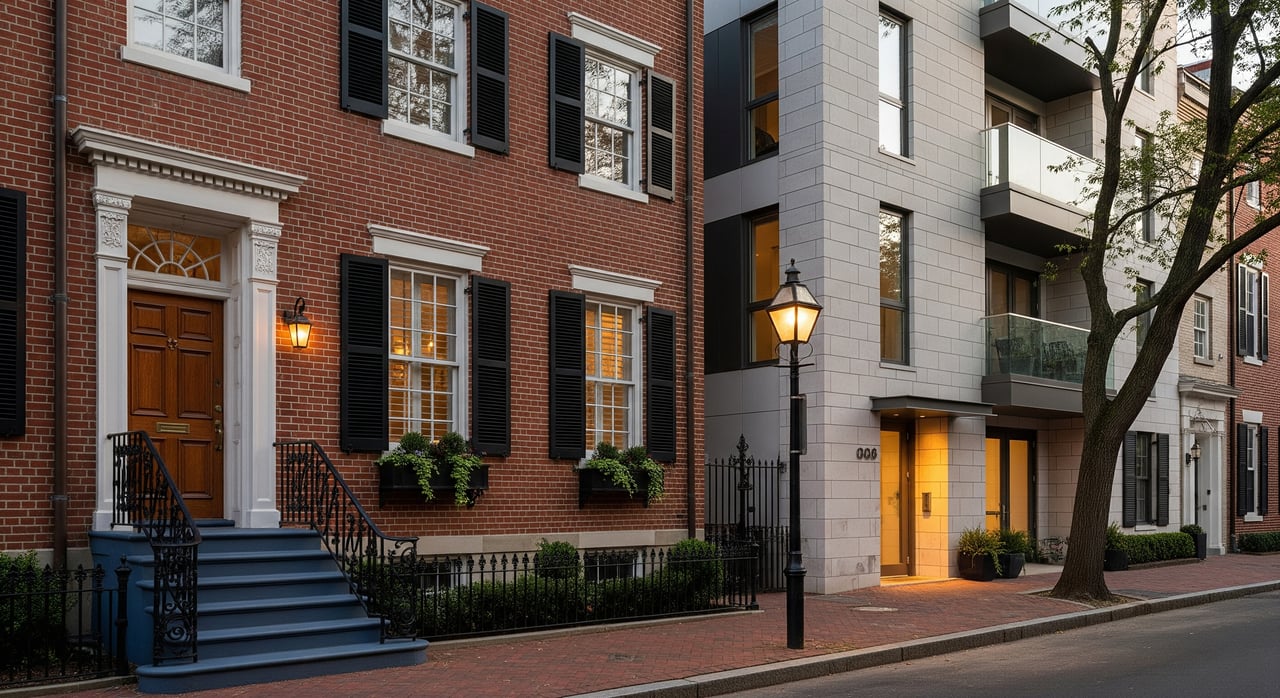
You will find historic rowhouses, small condo buildings, and a mix of modern infill here. Many homes are within a historic district, so exterior changes usually require review and formal approvals. Townhomes and rowhouses in this area can be prized for character and private outdoor space. Condos often trade that space for walkability and convenience.
These newer, mixed-use neighborhoods feature many condominiums and stacked flats, with modern amenities and structured parking. The appeal is strong for commuters and buyers who want newer systems, elevators, and easy access to transit and retail. If you prefer newer construction with amenities, this cluster is worth a close look.
These areas offer many fee-simple rowhouses and townhomes with strong neighborhood identity. You will see walkable retail corridors and a close-knit feel. Townhomes here can command premiums for a yard or garage. If you want space and a neighborhood vibe while staying close to the core, these areas deliver.
Expect larger condo communities, a mix of high-rise and low-rise buildings, and planned developments. Amenities vary widely, so assess each association carefully. If you are value-focused and open to a short drive to core nodes, this area can unlock more square footage at a given budget.
Proximity to Metro and major routes is a major driver in Alexandria. Condos clustered near stations and the King Street corridor often command a premium for commute convenience. Townhomes just a bit farther out can offer more space for the price. Decide whether walkability or extra rooms and outdoor areas matter more to you right now.
Use these questions to focus your search:
A simple way to compare options is to build two monthly budgets. For the condo, include assessments and any utilities covered. For the townhome, include separate utilities and a realistic annual set-aside for exterior upkeep. When you see the full picture side by side, the better fit usually becomes clear.
Before you write an offer, gather and review these items:
Association documents
Physical and technical items
Financing pre-check
Neighborhood and lifestyle
Do not assume all townhomes come with full exterior maintenance. Some HOAs cover roofs, siding, and landscaping, while others do not. In those communities, your personal insurance may look more like a condo policy. Read the maintenance sections of the declaration and bylaws to see exactly what the association covers.
If you are eyeing Old Town or other historic districts, expect a formal review for exterior changes. Window replacements, doors, siding, or additions may require approvals beyond the HOA. Build time into your plan for those reviews, and factor that into your renovation goals.
Choosing between a condo and a townhome in Alexandria is about matching your lifestyle to your real costs and your long-term plans. When you focus on ownership responsibilities, reserves, insurance, and financing pathways, the right path becomes clearer. If you want structured guidance, a thorough document review, and contract protection from offer to closing, connect with Paula Heard to talk through your options and prioritize the best neighborhoods for your goals. Schedule a Free Consultation.
Stay up to date on the latest real estate trends.


I don’t just sell homes—I negotiate outcomes that benefit you. My background in corporate law gives me the edge to secure better terms and guide you through the process with total clarity and care.