A Guide to Silver Spring Housing Styles and Home Types
June 18, 2026
June 18, 2026
Wondering why Silver Spring can feel like several housing markets packed into one? On one street, you might find a bungalow with original charm. A few minutes away, you could be touring a mid-century contemporary home or a newer condo near transit. If you are trying to figure out where you fit, this guide will help you understand how Silver Spring’s housing styles vary by era, lot, renovation level, and location. Let’s dive in.
Silver Spring’s housing stock reflects decades of growth and redevelopment. Montgomery Planning describes the area as evolving from plantation-era land into a railroad and retail center, then into a regional employment hub with downtown reshaped by multiple planning cycles.
That layered history helps explain why you see such a wide mix of homes today. In the Silver Spring CDP, the owner-occupied housing rate is 38.3%, the median owner-occupied home value is $643,300, and the median gross rent is $1,913, according to current Census data. In practical terms, that points to a market with detached homes, condos, apartments, and other housing types living side by side.
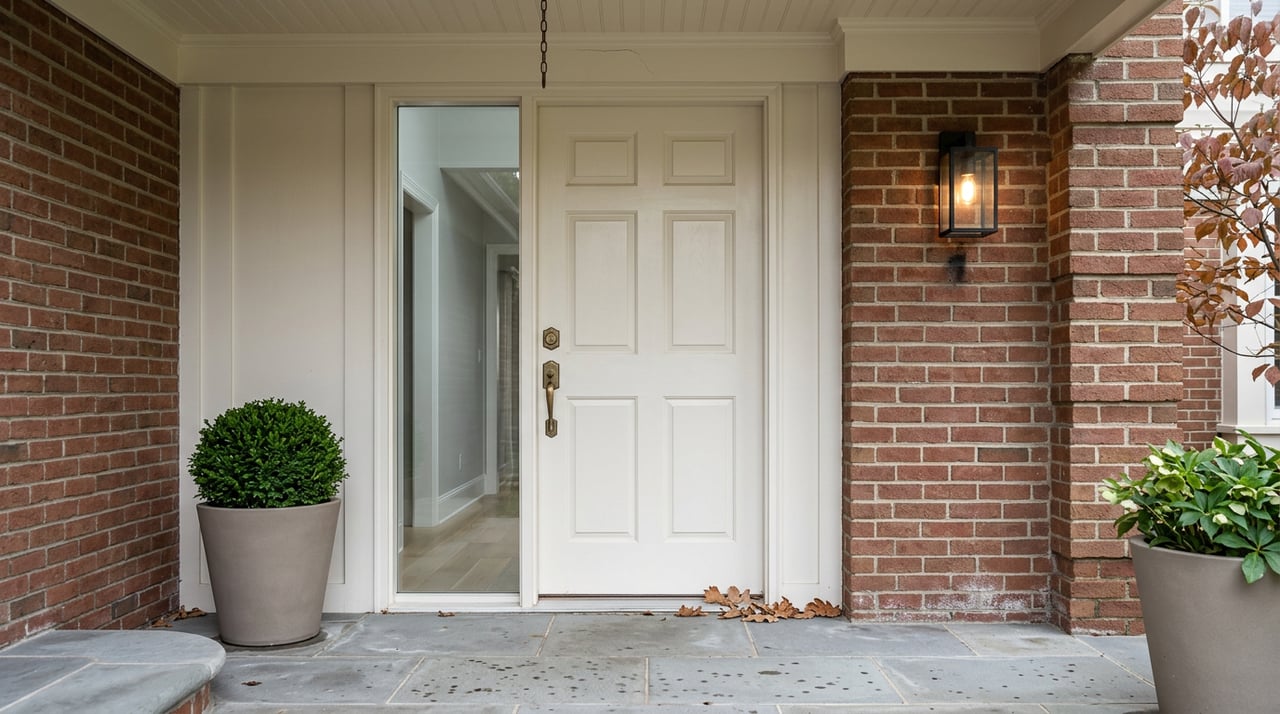
If you love character, older parts of Silver Spring often get your attention first. These areas commonly include bungalows, Cape Cods, and Colonial Revival homes that reflect early suburban development patterns.
The Takoma Avenue Historic District, on the Silver Spring and Takoma Park border, specifically describes the surrounding neighborhood as having small Cape Cods, bungalows, and Colonial Revival houses. That gives you a clear picture of the kinds of homes buyers often find in older sections of the community.
Bungalows and Cape Cods tend to appeal to buyers who want smaller-scale homes with established settings. In Silver Spring, these styles often show up on older streets where the homes were built well before the current wave of transit-oriented development.
When you tour them, pay close attention to layout and updates. Some homes may retain more original details, while others may have been significantly renovated over time.
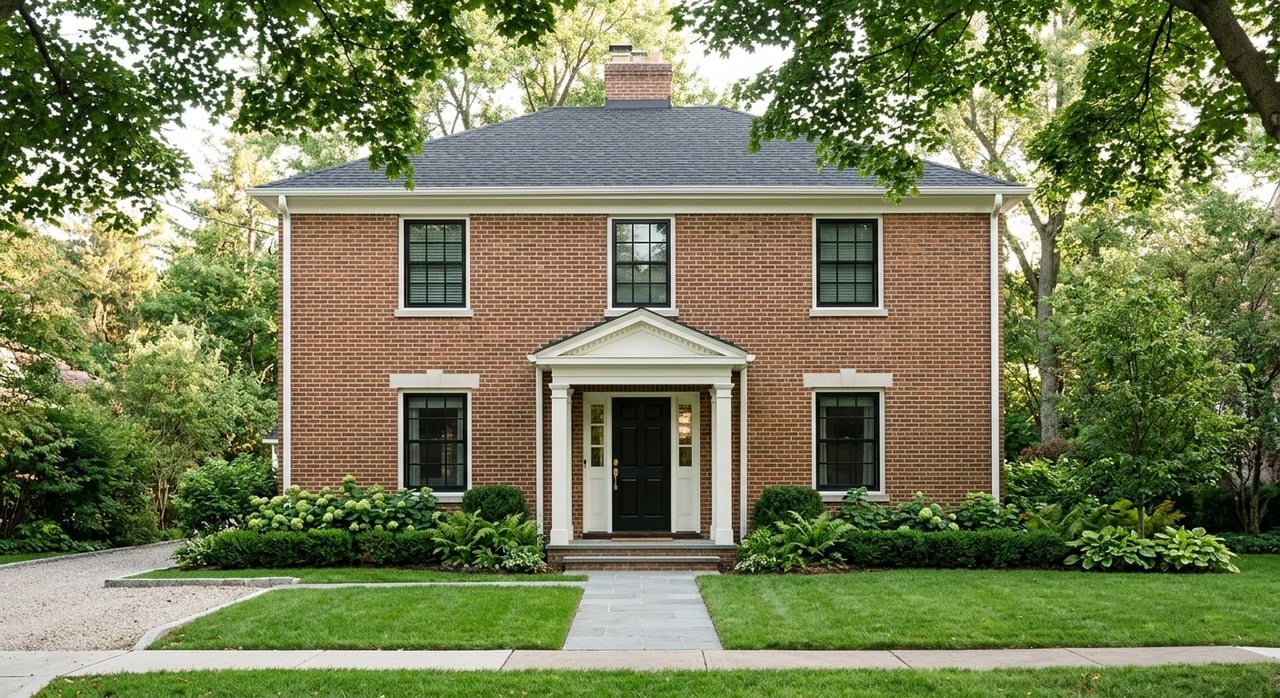
Colonial Revival is one of the recurring architectural styles in Silver Spring. It appears not only in single-family homes, but also in civic and multifamily properties.
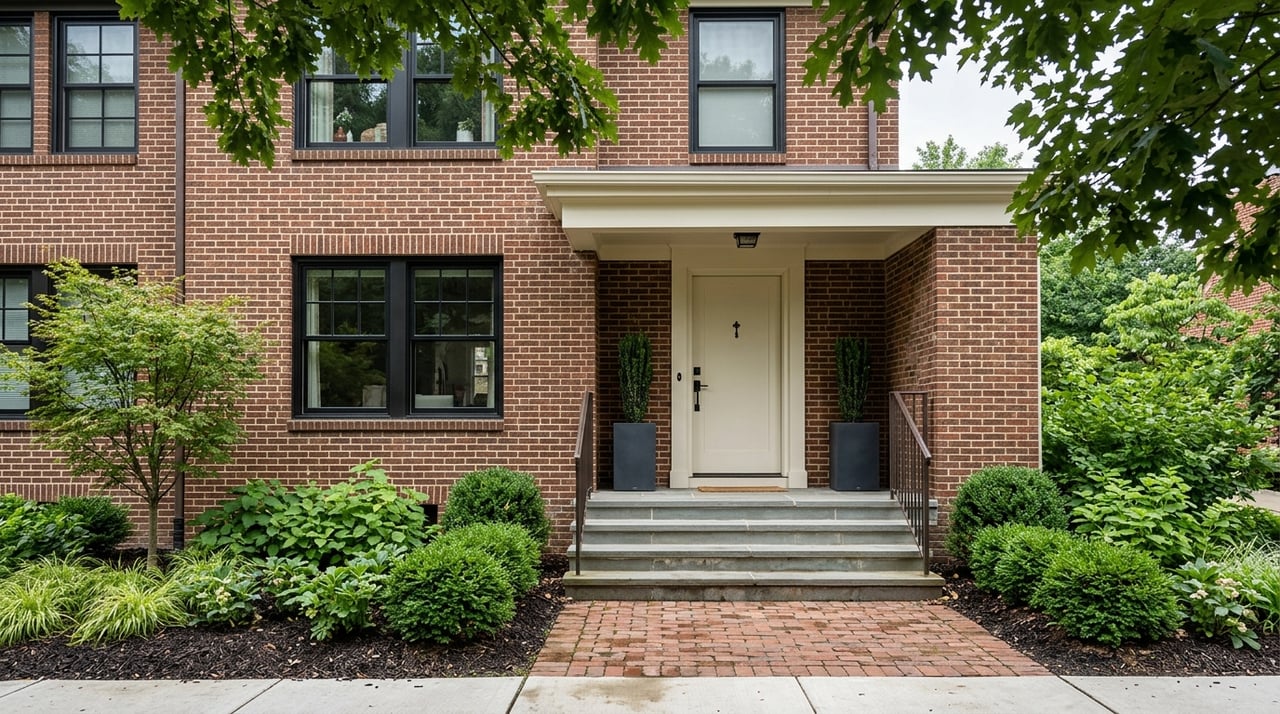
That matters because the phrase “brick colonial” can sound simple, but the local record shows more variety than that. In Silver Spring, Colonial Revival style shows up across different property types and settings, so it is worth looking beyond labels and focusing on the actual structure, floor plan, and condition.
In some older Silver Spring neighborhoods, preservation status may affect what changes can be made to a home. That does not mean every older property comes with the same restrictions, but it does mean renovation flexibility can vary from block to block.
Montgomery Planning notes that Woodside’s Locational Atlas listing gives properties interim protection from substantial alteration or demolition until they are evaluated for possible designation in the Master Plan for Historic Preservation. If you are considering an older home and want to renovate, this is the kind of detail you should understand early.
For buyers, the key takeaway is simple: character and flexibility do not always travel together. A home’s charm, preservation context, and renovation potential should all be weighed together before you decide it is the right fit.
Silver Spring is not only about prewar charm and new development. It also has a meaningful postwar architectural layer, especially from the late 1940s through the 1960s.
Montgomery Planning’s Montgomery Modern program recognizes this period as significant, including contemporary tract houses. One of the clearest examples in Silver Spring is Rock Creek Woods, a 74-home Contemporary development built from 1958 to 1961 by Charles Goodman and Bancroft Construction.
Mid-century homes often feel different because the lots and siting were approached differently. In Rock Creek Woods, the houses were individually placed to follow the land’s topography and preserve trees.
The Maryland historical record describes lots there as roughly one-fifth to one-third of an acre. That creates a different experience from tighter early suburban streets, where homes may sit closer together with more formal block patterns.
Not every older or mid-century home in Silver Spring looks the way it did when first built. Some properties have been carefully preserved, while others have had extensive changes over the years.
A Montgomery County Historic Preservation Commission staff report for a Woodside property described vinyl siding, vinyl windows, and heavily altered openings. For you as a buyer, that means style alone is not enough. You also need to look closely at how much of the original design remains and whether prior updates match your goals.
If you want newer finishes, lower-maintenance living, or easier access to transit, parts of Silver Spring may stand out for very different reasons. New construction is most concentrated in and around downtown Silver Spring.
Montgomery Planning says the Silver Spring Downtown and Adjacent Communities Plan increases zoning flexibility and building heights, encourages market-driven development, creates opportunities for diverse housing types, and uses design guidelines to shape new buildings and open spaces. In short, downtown is one of the clearest places to see Silver Spring’s next housing chapter taking shape.
Downtown Silver Spring tends to attract buyers who want convenience and a more connected daily routine. In these areas, you are more likely to see condos, townhomes, and newer multifamily buildings than on older detached-home blocks.
If commute access and lower exterior maintenance are high on your list, these housing types can be a practical fit. They also reflect the broader planning focus on transit-oriented growth.
The Eastern Silver Spring Communities Plan points to major road corridors and Purple Line or BRT station areas as places likely to absorb additional housing in the coming years. Montgomery Planning says the plan is being written around the Purple Line, which is planned to begin service in 2027.
The plan also recommends more housing and neighborhood retail near Purple Line and most BRT stations. That is important if you are trying to buy in an area where future development activity may shape what the neighborhood looks and feels like over time.
Silver Spring’s variety is not just about style. It is also about price point and housing format.
Montgomery Planning notes that townhomes, duplexes, triplexes, and quadplexes tend to cost less than single-family homes in Montgomery County. For many buyers, especially those focused on budget and access, attached housing can be an important entry point in more transit-oriented parts of Silver Spring.
That does not mean one option is better than another. It means your best fit may come down to what matters most to you, such as space, maintenance, monthly costs, or proximity to transit.
Because Silver Spring offers so many housing types, neighborhood names alone do not always tell the full story. In many cases, era, lot size, renovation level, and transit proximity are better predictors of whether a home will match your needs.
A focused search usually starts with a few practical questions:
If you answer those questions first, the search becomes much easier to manage. Instead of trying to understand all of Silver Spring at once, you can focus on the housing styles and locations that align with how you want to live.
Silver Spring’s strongest housing story is variety. You can find prewar bungalows and Colonials, postwar modern pockets, and a growing supply of newer transit-oriented homes, often within a relatively short distance of each other.
That range is part of what makes the market appealing, but it also means you need to compare homes carefully. Two properties with similar price tags may offer very different tradeoffs in age, layout, lot size, renovation history, and access to transit.
When you have a clear strategy, that variety becomes an advantage. You can zero in on the right mix of character, convenience, and long-term fit instead of chasing every new listing that hits the market.
If you want help sorting through Silver Spring’s housing options, from older detached homes to newer transit-oriented properties, Paula Heard can help you evaluate the details, negotiate thoughtfully, and move forward with confidence.
Stay up to date on the latest real estate trends.
I don’t just sell homes—I negotiate outcomes that benefit you. My background in corporate law gives me the edge to secure better terms and guide you through the process with total clarity and care.