What It’s Like To Live In Old Town Alexandria
May 28, 2026
May 28, 2026
If you are drawn to historic streets, walkable routines, and easy access to the river, Old Town Alexandria can feel like a rare find in the D.C. area. It offers a mix of everyday convenience and architectural character that is hard to replicate in newer neighborhoods. At the same time, living here comes with real tradeoffs, including tighter parking and more rules around home exteriors. If you are wondering what daily life actually feels like in Old Town, this guide will help you picture it clearly. Let’s dive in.
Old Town is Alexandria’s historic urban core, with a street layout in place by 1798. King Street has long served as the neighborhood’s commercial spine, and the city notes it has been a Great Street since 1749. That history still shapes how the area functions today.
Instead of long drives for basic errands, daily life often happens within a compact street grid. You are more likely to walk, bike, hop on transit, or make short trips than rely on broad suburban roads. That gives Old Town a distinct rhythm compared with more car-oriented parts of Northern Virginia.
A lot of Old Town life revolves around King Street. According to Visit Alexandria, the King Street mile includes more than 200 independent restaurants and boutiques, along with museums and waterfront activity. That concentration helps explain why the neighborhood feels active throughout the week and especially lively on evenings and weekends.
For you as a resident, that can mean easy access to coffee shops, dinner spots, quick errands, and casual weekend plans without going far from home. It also means you are living in a place that attracts visitors, not just locals. Old Town feels like both a neighborhood and a destination, and that balance is part of its personality.
The waterfront is not just a backdrop here. The city describes the waterfront and marina area as 23 acres of parks, trails, marina space, a dog park, and water taxi access. The interim Waterfront Park also includes an open plaza, a waterfront promenade, shade structures, and flexible public space that connects the retail corridor to the river.
In practical terms, that gives you room to build outdoor time into your routine. A morning walk, an evening run, or a casual meetup by the water can be part of ordinary life in Old Town. If being near the Potomac matters to you, this is one of the area’s biggest lifestyle draws.
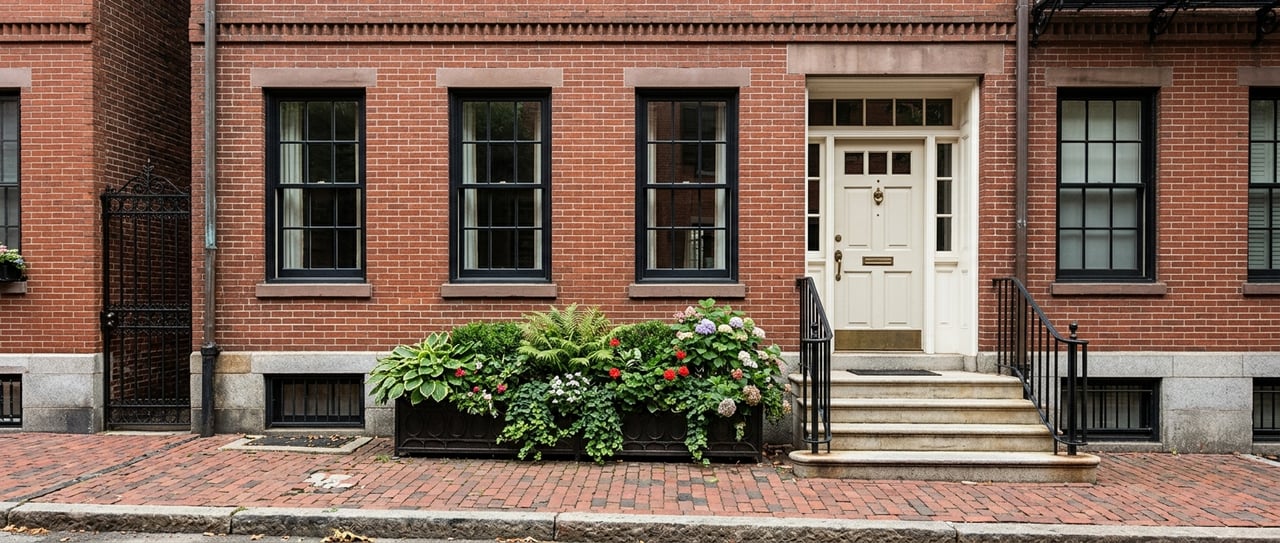
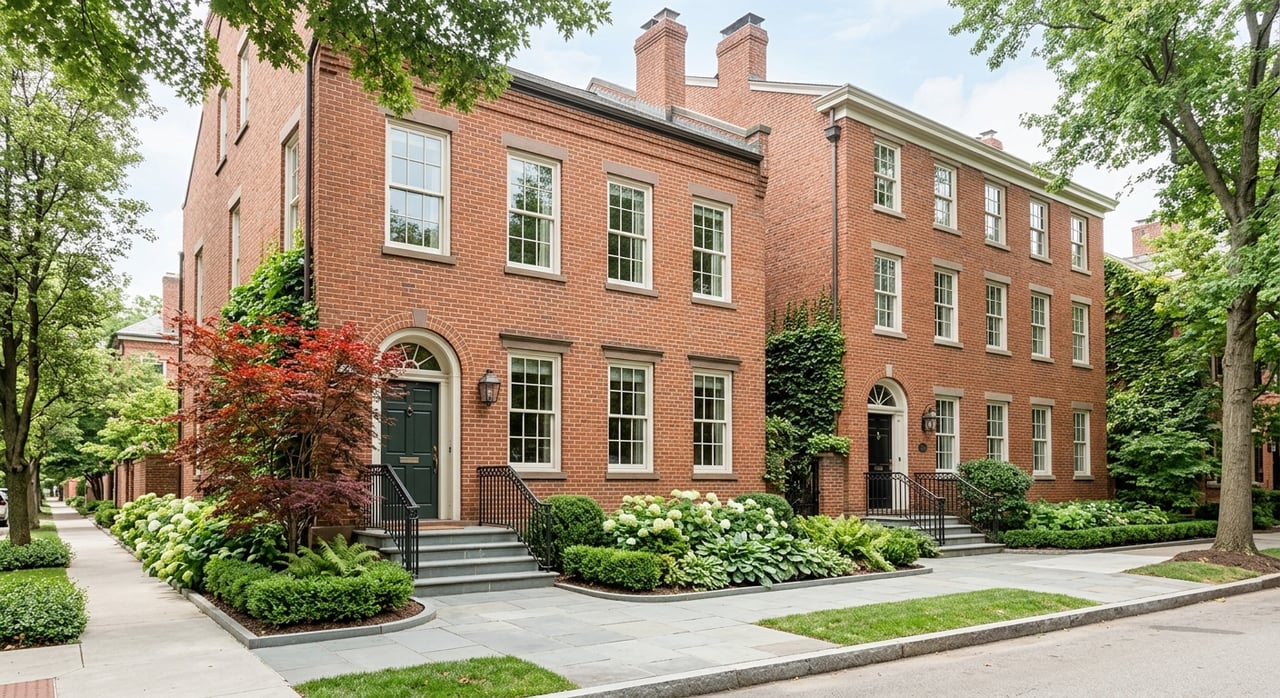
Old Town’s housing stock is one of its defining features. The city says the neighborhood contains a high concentration of townhouses and townhouse-like buildings, and the Old and Historic Alexandria District includes nearly 4,000 buildings. More than 200 structures in Alexandria were built before 1820, with most of them in Old Town.
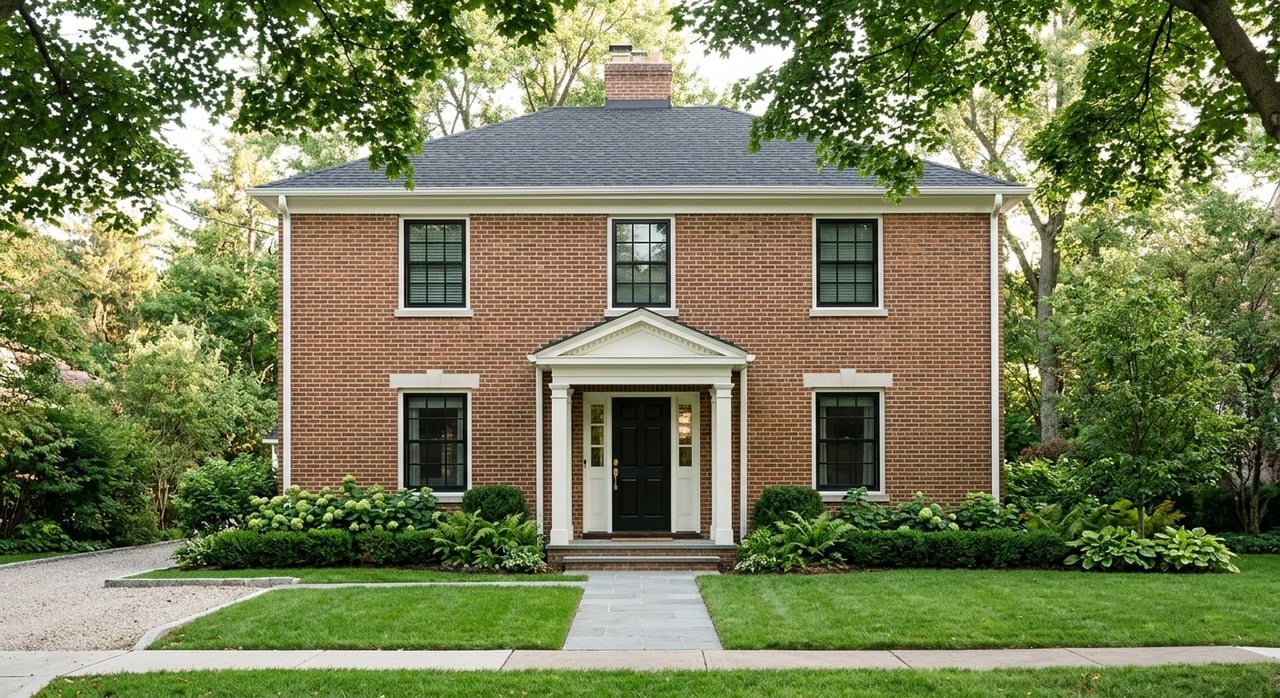
That means the streetscape is shaped by older, lower-scale buildings rather than large modern developments. You will often see attached homes, brick facades, and narrow lots that reflect the area’s early history. For many buyers, that preserved look is exactly what makes Old Town appealing.
Historic character also comes with added oversight. The city regulates the local historic district through the Board of Architectural Review, and a Certificate of Appropriateness is required for new construction and for exterior changes visible from a public right of way. In simple terms, exterior projects can involve more review and less flexibility than they would in a newer neighborhood.
That does not make ownership harder for everyone, but it does mean you should go in with clear expectations. If you love historic homes, these rules help preserve the streetscape that attracts people to Old Town in the first place. If you prefer more freedom to change a home’s exterior, it is an important factor to weigh before you buy.
Transit is one of Old Town’s strongest practical advantages. King St-Old Town Station is served by the Blue and Yellow Lines and connects to Alexandria DASH buses, Metrobus, and a free daily trolley to Old Town and the Waterfront. Alexandria Station for Amtrak and VRE is also adjacent to the Metro station, giving residents several rail options in one area.
That setup can be especially helpful if you commute across the region or travel often. The city says the Waterfront is about a mile east of the station, roughly a 20-minute walk down King Street. The King Street Trolley runs daily every 15 minutes between the Metro station and City Hall/Market Square, making short trips easier.
If you like biking, Old Town gives you useful connections. The National Park Service says the Mount Vernon Trail is an 18-mile paved multi-use trail linking Alexandria to Arlington and Washington. The King Street-Old Town transit facility also includes bike parking and two Capital Bikeshare stations.
Another major convenience is proximity to Reagan National Airport. The city says the airport is about 5 to 10 minutes from Old Town. For frequent travelers, that short trip can be a meaningful quality-of-life benefit.
The most common everyday challenge in Old Town is parking. Alexandria created residential permit parking districts because of increased demand, especially in Old Town and near Metrorail stations. The city also notes that on-street meter parking is time-limited, strictly enforced, and meter feeding is prohibited.
If you are used to easy driveway parking or wide residential streets, this may feel like an adjustment. Old Town supports walking, transit, and biking well, but street capacity is tighter than in newer neighborhoods. If you own a car, it is worth thinking through parking early rather than treating it as a minor detail.
The waterfront is appealing, but it is not static. The city says the interim Waterfront Park is temporary and will eventually close so flood-mitigation infrastructure can be built. The Waterfront Flood Mitigation Project is intended to address stormwater and river flooding along the Potomac waterfront between Duke and Queen Streets.
For residents, that means some waterfront areas may be affected by phased public works. The long-term goal is practical and important, but the experience of the waterfront may shift over time. If riverfront access is high on your priority list, it helps to understand that parts of the area are still evolving.
The Old Town Farmers Market remains a local staple, and the city calls it the oldest farmers market in the country held continuously at the same site. As of spring 2026, it is temporarily operating on the 100 block of North Royal Street and in the Tavern Square courtyard during the City Hall and Market Square renovations.
That detail captures something important about Old Town right now. The neighborhood keeps its traditions, but some familiar public spaces are being updated. If you value local routines, you will still find them here, though they may look a little different during renovation periods.
Old Town tends to fit buyers who want historic character, a strong restaurant and boutique scene, waterfront access, and multiple transit options. It can be especially appealing if you value a walkable lifestyle and do not expect suburban levels of parking or lot size. Buyers who appreciate older homes often find the neighborhood’s preserved feel worth the added complexity.
It may be a particularly good match if you are relocating and want strong access to Metro, Amtrak, VRE, and the airport. It can also suit buyers who want a townhome-style setting close to shops, dining, and outdoor space. The key is making sure the benefits that define Old Town also match how you actually want to live day to day.
Old Town is one of those neighborhoods where broad descriptions are not enough. Block-by-block character, parking realities, transit access, and historic review considerations can all shape whether a specific home is the right fit for you. That is why having clear guidance matters before you write an offer or list a property.
If you are buying, selling, or relocating in Alexandria, you want advice that blends neighborhood knowledge with careful contract and negotiation strategy. That kind of preparation helps you move forward with more confidence and fewer surprises. When you are ready to talk through your options in Old Town, connect with Paula Heard for a personalized consultation.
Stay up to date on the latest real estate trends.


I don’t just sell homes—I negotiate outcomes that benefit you. My background in corporate law gives me the edge to secure better terms and guide you through the process with total clarity and care.